Nieuws
Special attention must be paid to these issues during the welding of stainless steel tubes
Er moet speciale aandacht aan deze kwesties worden besteed tijdens het lassen van roestvrijstalen buizen
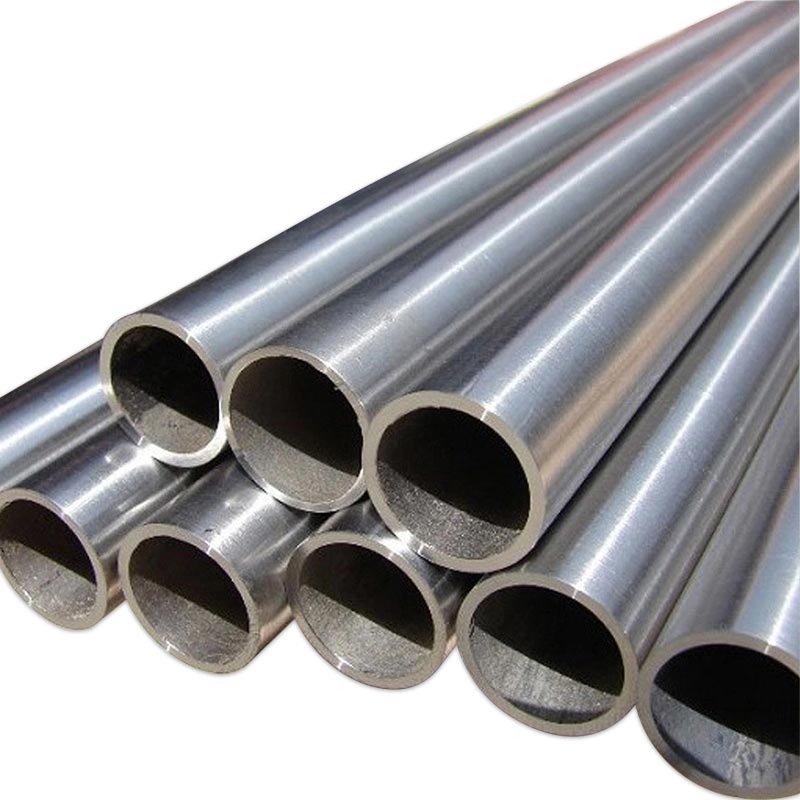
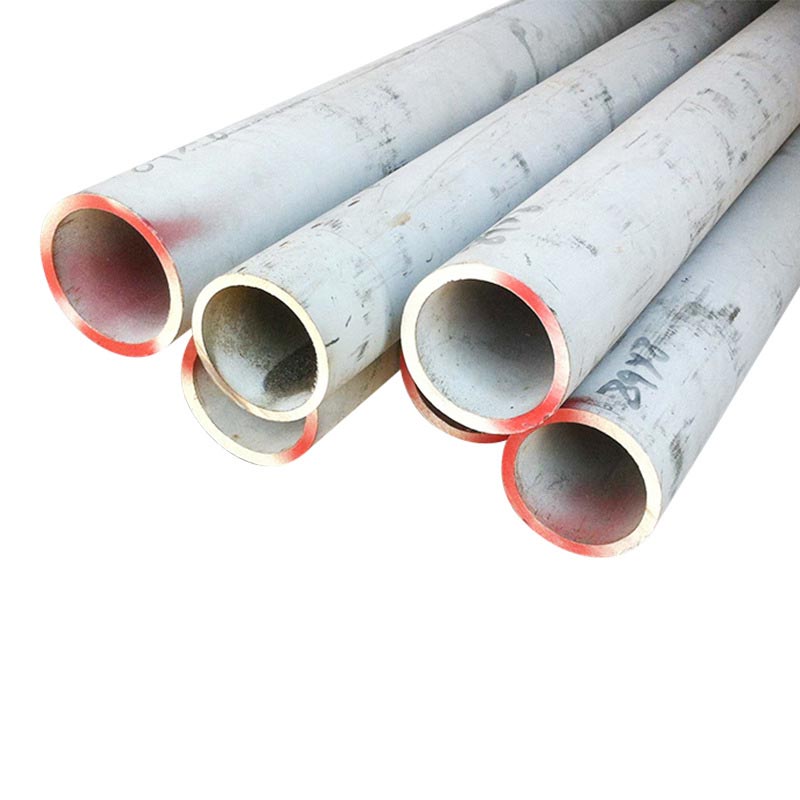
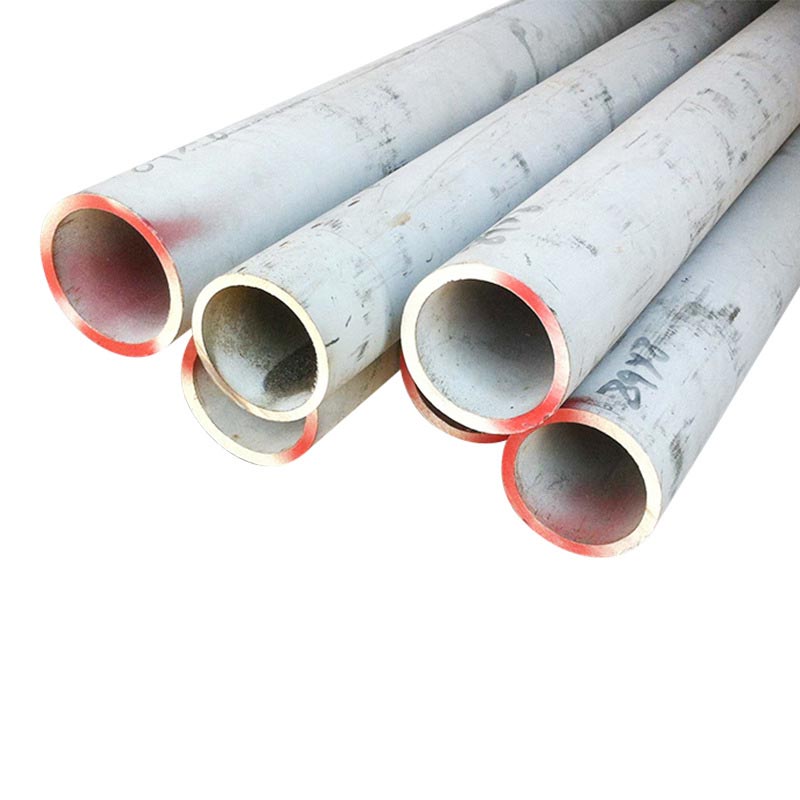
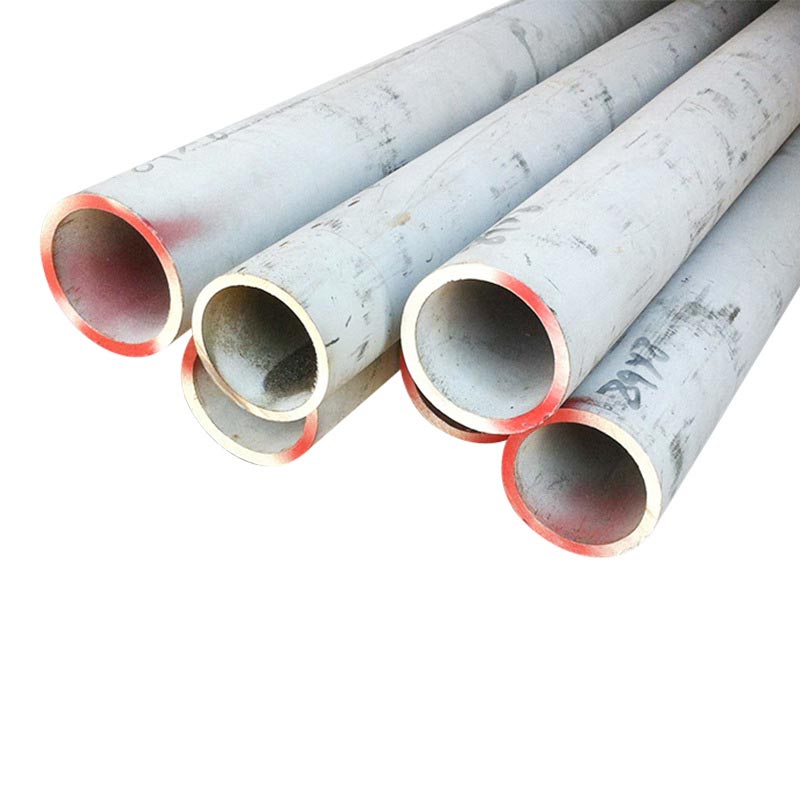
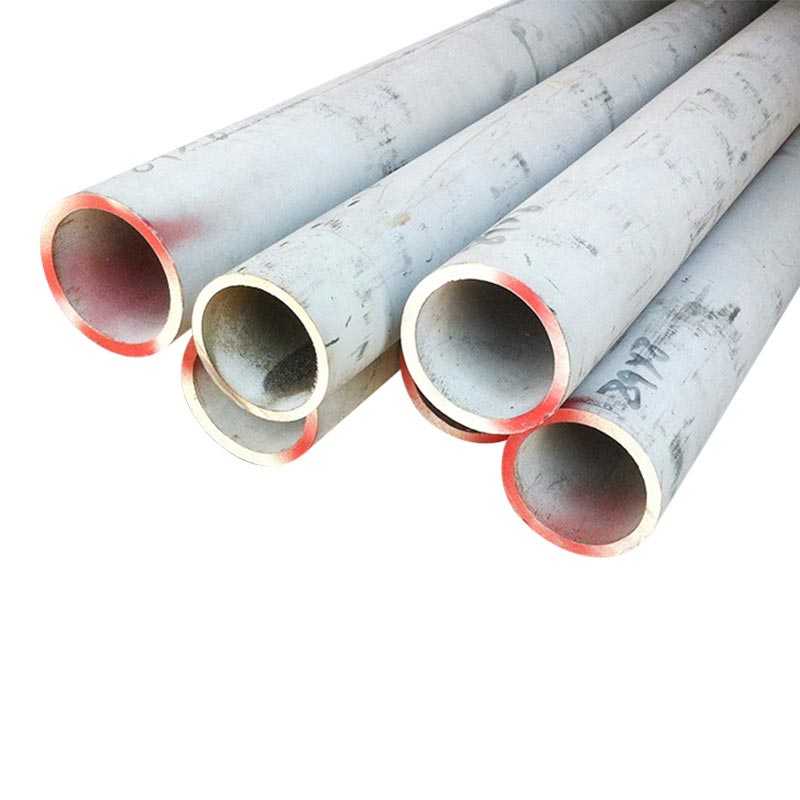
Roestvrij stalen buizen are manufactured by coiling steel plates or strips using machinery and molds, followed by welding. The key to ensuring the quality of stainless steel tubes lies in the quality of the raw materials. Therefore, all raw materials delivered to the factory must undergo inspection before use, including visual inspection, width measurement, and checking for uniform thickness. Additionally, chemical composition and tensile tests are conducted. Only after passing these inspections can the materials be put into normal production. However, in the actual production of stainless steel tubes, various issues often arise.
Tijdens het lasproces bij fabrikanten van roestvrijstalen buizen zijn veel voorkomende problemen onder meer ongekwalificeerde lassen, gebrek aan penetratie of doorbranden, scheuren en porositeit. Specifiek:
Ongekwalificeerde lassen
Als gevolg van onjuiste selectie van lasparameters of ondeskundige bediening kunnen de lassen ongelijkmatige hoogte en breedte vertonen, wat resulteert in een slechte lasvorming. De achterkant van de las kan concaaf zijn, wat leidt tot overmatige verzwakking van de las en onvoldoende sterkte.
Gebrek aan penetratie of doorbranden
Lack of penetration is mainly caused by the following reasons: first, the current is too low; second, unskilled operation with excessively fast welding speed and small joint gaps; third, an excessively long arc or misalignment of the arc with the weld. If the welding wire and base metal fail to fuse properly or localized lack of fusion occurs in the weld metal, the affected area should be repaired promptly.
Burn-through is primarily caused by excessive welding current, overly high molten pool temperature, delayed addition of welding wire, excessively large gaps between the steel strips, or too slow welding speed. These conditions can lead to the formation of single or continuous perforations in the weld, weakening the weld strength and resulting in burn-through.
Scheuren en porositeit
(1) Cracks are a highly frequent issue. Depending on the circumstances of their occurrence, cracks can generally be categorized into hot cracks and cold cracks. Hot cracks occur during the solidification of the liquid metal or slightly below the solidus temperature, forming intergranular cracks with an oxidized fracture surface. Cold cracks, on the other hand, occur in the solid state due to phase transformation, the presence of diffusible hydrogen, or excessive welding shrinkage stress during cooling, resulting in transgranular cracks with a bright, non-oxidized fracture surface.
If the welding wire used does not meet standards, prolonged exposure to high temperatures during welding can cause oxidation, overheating, and excessive grain growth. Additionally, if the material itself contains many impurities or is prone to hardening, cracks are more likely to occur.
(2) Porositeit ontstaat door de aanwezigheid van olievlekken, oxidehuid of roest op het oppervlak van het werkstuk of lasdraad, lassen in een vochtige omgeving, lage zuiverheid van argon, onvoldoende bescherming tegen beschermgas, oxidatie van het gesmolten zwembad bij hoge temperaturen, of spatten, die allemaal gemakkelijk tot porositeit kunnen leiden.
Dat is alles voor de drie veelvoorkomende problemen die u tegenkomt tijdens het lasproces bijroestvrijstalen buisfabrikanten.
Gerelateerd nieuws
- Ontvettingsmethoden voor gewone 310S roestvrijstalen buizen
- Keuze van de dikte voor 316L roestvrijstalen goot
- Wat zijn de verschillen tussen 201 en 304 roestvrijstalen profielen?
- Welke uitdagingen ontstaan er bij het snijden van 304 roestvrij stalen platen?
- Hoe het probleem van roestvlekken op roestvrijstalen spoelen op te lossen
- Hoe kan de levensduur van roestvrijstalen buizen worden verlengd?
Laat een bericht achter